Strawberry Drying  Application

Drying or dehydration is the process of removing vaporisable substances such as water from solid materials in order to slow or stop microorganism growth or chemical reactions.

In traditional drying methods, heat is gradually transferred from the surface of the dried material to the interior due to the temperature difference between the hot surface of the product and the colder interior during the drying process.
Çilek Kurutma

Thus, first the surface and then the inner parts of the product dry and the hard layer formed on the outer surface of the product due to shrinkage prevents the transfer of heat to the inner parts and the moisture inside the product to the outside of the product. In microwave drying method, unlike traditional drying methods, since the electromagnetic field affects the material as a whole, a selective heating is performed by directly targeting the water molecules in the material. In this method, heat is generated directly in the product. The moisture in the product is evaporated by heating in very short periods of time and the moisture transfer is from inside to outside due to the vapour pressure difference in the inner and outer environment. Thus, the heat transfer problem occurring in traditional drying methods is eliminated in microwave drying method.

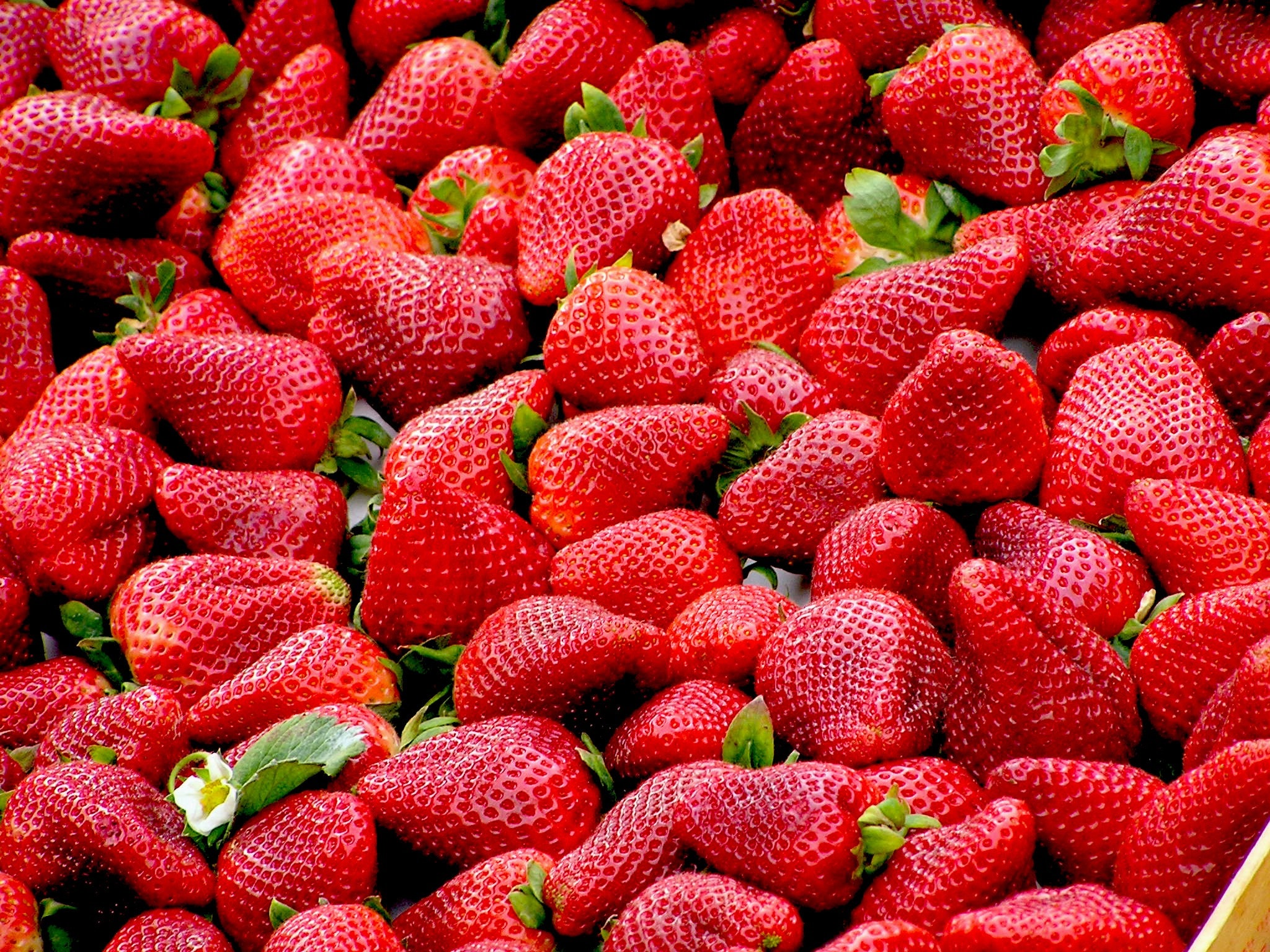
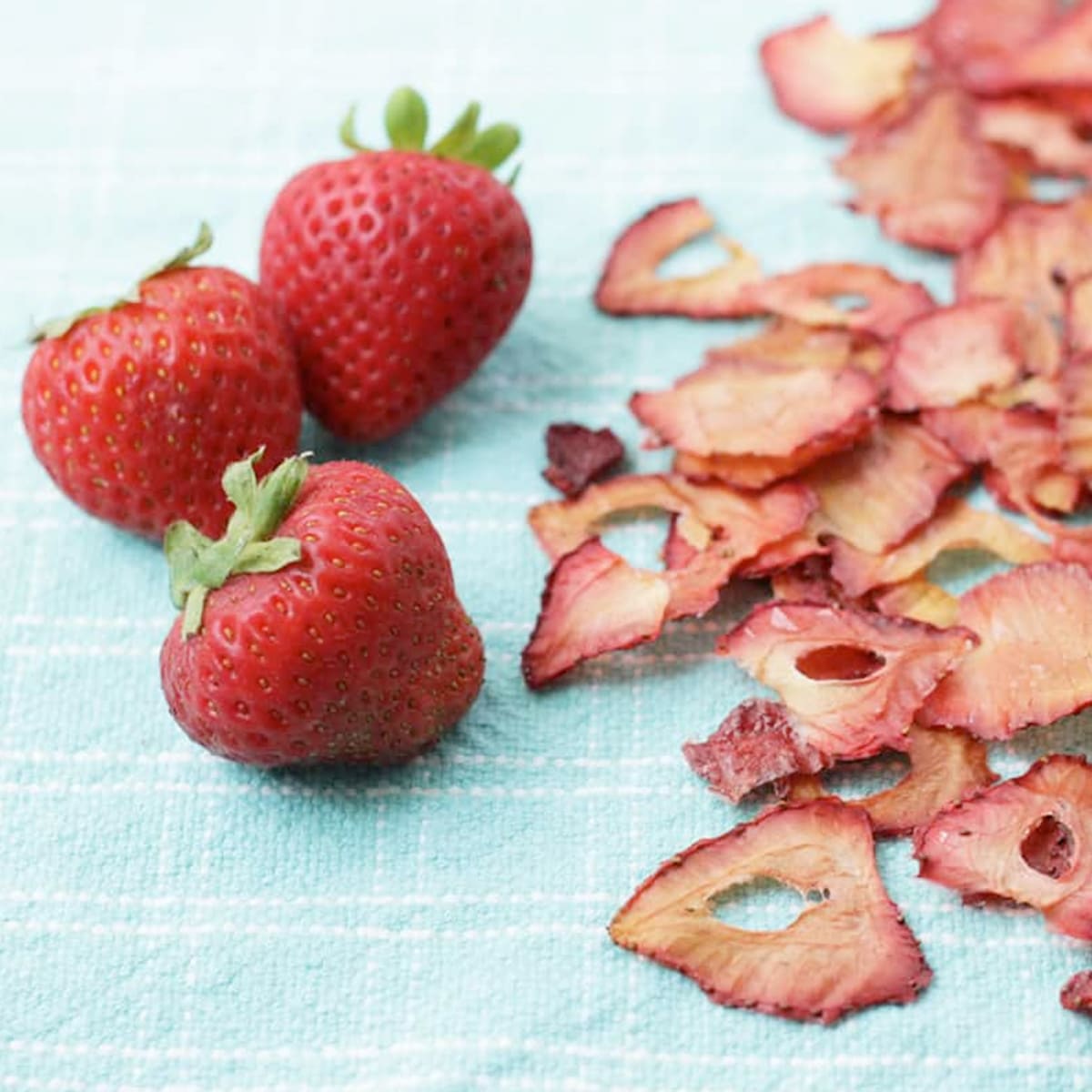
Strawberries are mainly used in jams, dairy products, biscuits and cookies, canned foods and syrups, or can be consumed directly as fresh or dried fruit. Chile currently exports 16% of its dried fruit production to the USA, 14% to Mexico and 10% to Europe (Central Bank, Chile 2014). Therefore, there is a clear economic incentive in the dehydration of fruit species. An optimal location of the magnetron with a suitable microwave power improves the drying integrity of the fruit. The energy received by the fruit is the difference between that supplied by the magnetron and that consumed in the heating water.

Let us Project for You

Let us develop and propose a special project for your sector, product and needs.